
Introduction
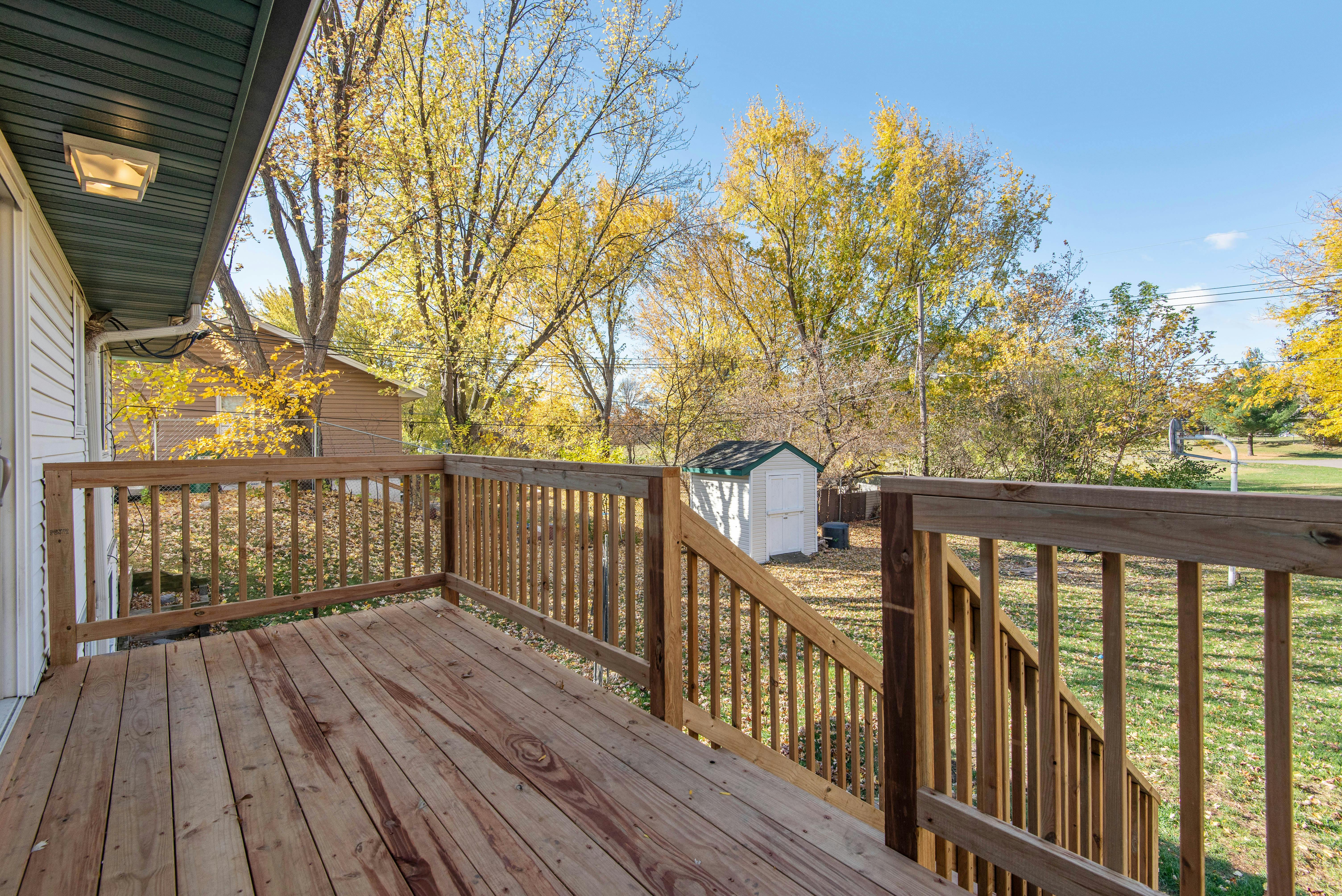
A deck can start looking old long before it actually needs to be replaced.
Grey boards, dark stains, mold, mildew, and surface growth can make a deck appear worn out or beyond repair. In many cases, though, the structure still has plenty of life left in it. The deck may simply need to be properly cleaned, repaired, sealed, or stained.
I will always recommend saving an existing deck when it can be done safely. Replacing a deck is a major expense, and homeowners sometimes assume replacement is their only option when a professional restoration could give them several more years of use.
The key is keeping up with routine maintenance and addressing small problems before they turn into larger ones.
Clean Your Deck Regularly
The biggest reason I see decks deteriorate faster than they should is a lack of cleaning.
Dirt, leaves, moisture, mold, mildew, algae, and other organic growth collect on deck boards over time. When that material is allowed to sit, it traps moisture against the wood and contributes to long-term deterioration.
Growth on the surface is not only an appearance issue. It can slowly eat away at the deck and make the boards slippery, stained, and more likely to rot.
How Often Should a Deck Be Cleaned?
For most homes, I recommend having the deck professionally cleaned at least once a year.
Spring is usually a great time to do it. The deck has just gone through months of rain, snow, debris, freezing temperatures, and limited use. A spring cleaning removes the buildup and prepares the space for warmer weather.
Decks surrounded by heavy tree coverage may need to be cleaned more often. Trees drop leaves, seeds, twigs, pollen, and other debris that can trap moisture and encourage mold or mildew growth.
For heavily wooded properties, I often recommend cleaning the deck twice a year:
- Once in the spring
- Once in late fall after most of the leaves have dropped
The more debris that collects on the deck, the faster growth can return.
Keep Leaves and Debris From Building Up
Homeowners often focus on the visible surface of the deck but overlook the areas between boards, around railings, underneath furniture, and near the house.
Those are common places for wet leaves and debris to collect.
Letting leaves sit on a deck for an extended period can hold moisture against the wood. Over time, this may contribute to staining, mold growth, soft boards, and rot.
Regularly sweep the deck and clear out areas where debris tends to gather. Move outdoor furniture, rugs, planters, and grills occasionally so moisture and dirt do not remain trapped underneath them.
Outdoor rugs can be especially problematic when they stay wet or do not allow the boards underneath to dry properly.
Seal or Recoat the Deck as Recommended
Cleaning is only part of deck maintenance. Wood also needs a protective coating to help defend it against moisture, sunlight, and changing weather conditions.
For most decks, sealing or recoating every two to three years is a good general schedule.
However, every deck is different. A deck that receives direct sunlight throughout the day may need attention every one to two years. Constant sunlight can fade the finish, dry out the boards, and break down the protective coating faster.
Heavy rain, snow, foot traffic, trees, pets, and outdoor furniture can also affect how long a coating lasts.
Look for signs that the deck may be ready for a new coat:
- The color has faded significantly
- Water quickly absorbs into the wood
- The finish is peeling or wearing away
- The boards appear dry or rough
- High-traffic areas look noticeably different
- The deck is becoming harder to keep clean
Waiting too long between coatings leaves the wood exposed and allows moisture to penetrate more easily.
Do Not Assume Grey Wood Means the Deck Is Ruined
One of the most common reasons homeowners think they need a new deck is greying wood.
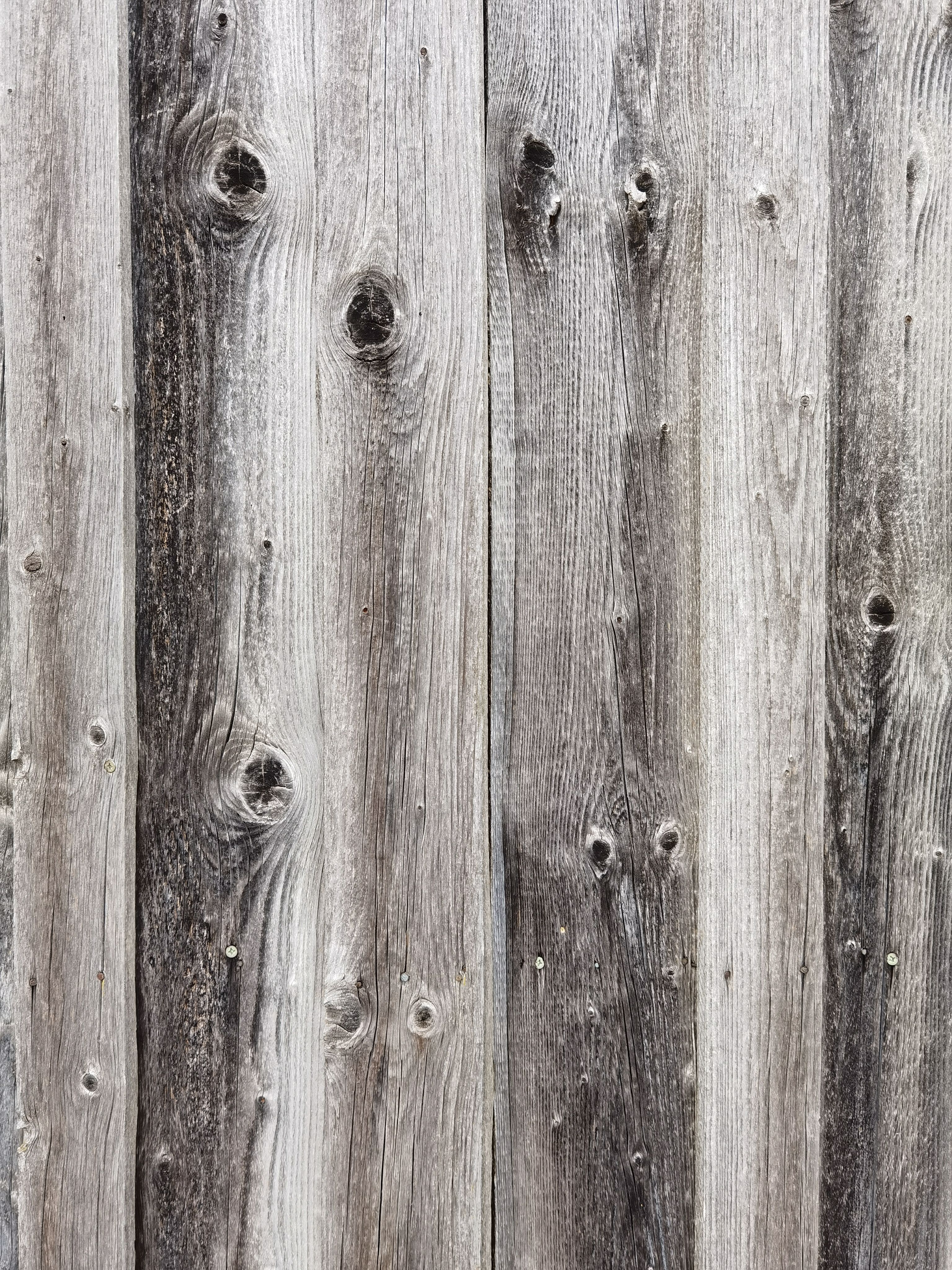
Grey boards can make a deck look extremely old and weathered. In reality, the appearance is often worse than the actual condition of the structure.
Sun exposure and weather naturally cause unfinished or poorly protected wood to turn grey. A proper cleaning can remove much of that weathered appearance and reveal healthier wood underneath.
That does not mean every grey board can be saved, but color alone should not determine whether a deck needs to be replaced.
The first step is usually to remove the growth and surface buildup. Once the deck is clean, it becomes much easier to evaluate the true condition of the boards.
Replace Damaged Boards Before They Become Larger Problems
Extending the life of a deck does not mean ignoring damaged areas.
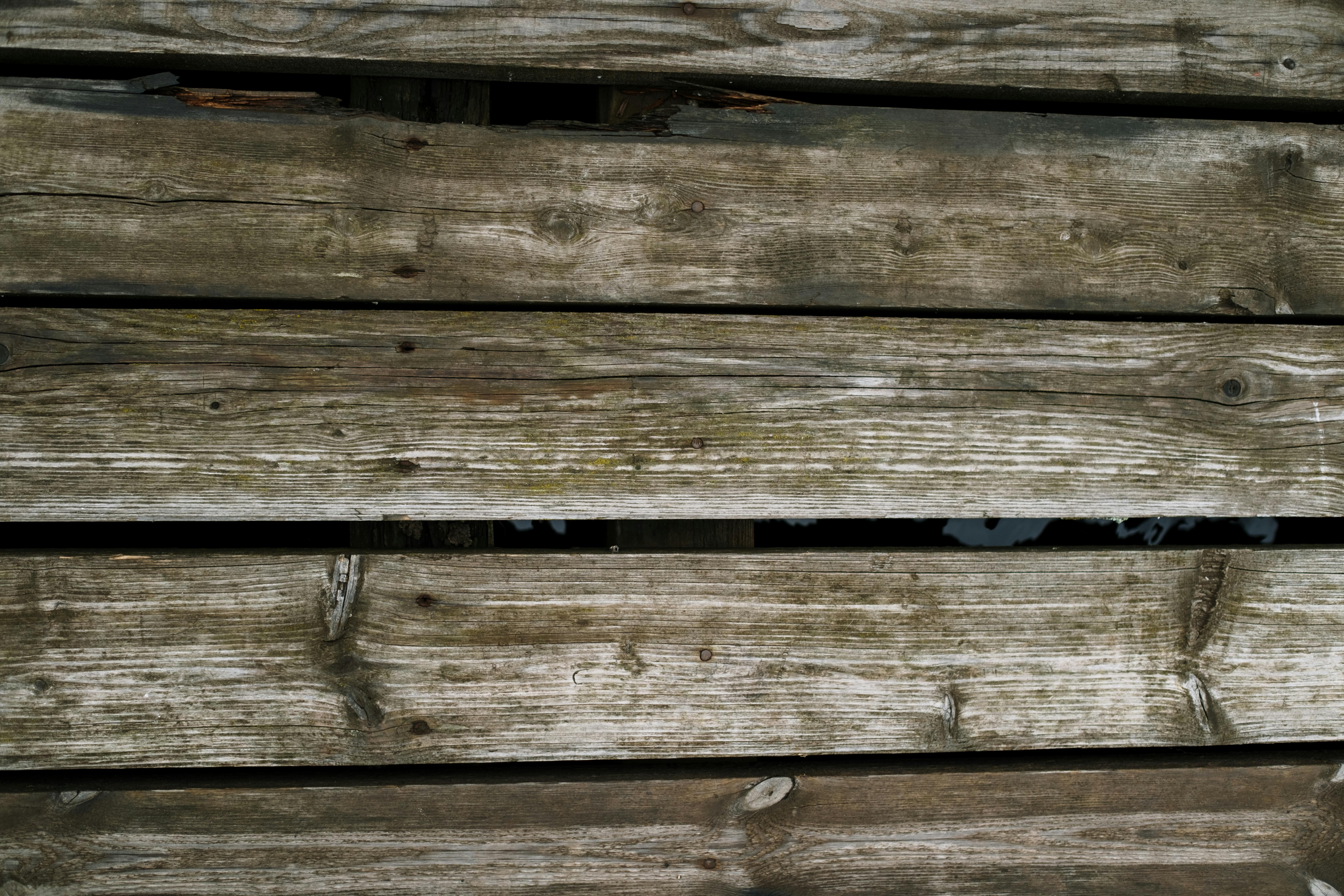
Rotten, cracked, soft, loose, or badly warped boards should be inspected and replaced when necessary. Addressing a few problem boards is usually far less expensive than waiting until the damage spreads or affects the safety of the deck.
During an inspection, it is also important to look at:
- Railings
- Stairs
- Support posts
- Joists
- Fasteners
- Ledger boards
- Areas that remain wet
- Places where the deck connects to the house
Sometimes a board is not completely rotten yet, but it is showing signs that it could become a problem soon. Replacing it during the restoration process can prevent another repair shortly afterward.
A Deck That Looked Worse Than It Really Was
We were once called to look at a deck where the customer was unsure what to do. They did not know whether the deck could be saved or if they needed to tear it down and build a new one.
Once we inspected it, we realized the deck could most definitely be saved.
It had great bones, but the surface looked much rougher than it actually was. The age, weathering, and damaged boards made the entire structure appear like it was near the end of its life.
Instead of replacing the whole deck, we removed and replaced the boards that were rotten or likely to become future problems. We then prepared the deck and gave it a fresh stain.
The difference was night and day.
The customer was extremely happy with the final result. More importantly, we saved them money by helping them get several more years from the deck they already had instead of immediately paying for a full replacement.
That is why I recommend having a deck inspected before assuming it is beyond repair.
Be Careful When Pressure Washing a Wood Deck
One of the biggest mistakes homeowners make is using too much pressure when trying to clean their deck.
Many people already own a pressure washer, so cleaning the deck seems like a simple do-it-yourself project. Unfortunately, the machine may be set too high, the wrong nozzle may be used, or the wand may be held too close to the surface.
A homeowner may see the stain or growth disappearing and assume the deck is being cleaned properly. In reality, they may also be stripping away and damaging the wood fibers.
That damage can leave the boards rough, splintered, uneven, or more vulnerable to moisture.
Wood decks commonly require a much lower pressure than other outdoor surfaces. Depending on the wood and its condition, cleaning may be performed around 1,000 to 1,200 PSI. The correct nozzle, distance, cleaning solution, and technique are just as important as the pressure setting.
Concrete can handle aggressive pressure. Wood usually cannot.
Why Professional Deck Cleaning Can Save Money
Hiring a professional to clean a deck is not only about making it look better. Proper cleaning helps protect the integrity of the wood.
A professional should know how to remove mold, mildew, algae, dirt, and old buildup without causing unnecessary damage. They can also identify weak boards, worn coatings, and other concerns that a homeowner may overlook.
Cleaning a deck incorrectly may produce fast visual results, but it can shorten the life of the wood. Cleaning it properly can help you get more usable years from the deck.
Sometimes the least expensive option today is not the least expensive option long term.
When Can a Deck Be Saved?
Many decks can be restored when they still have a solid structure underneath the weathered appearance.
Signs that restoration may be possible include:
- Surface mold, mildew, or algae
- Grey or faded boards
- A worn or faded stain
- A limited number of rotten boards
- Cosmetic damage
- Dirt and organic buildup
- Minor cracking or roughness
- A structure that still feels solid and stable
Cleaning the deck first is often necessary before making a final decision. Growth and heavy discoloration can hide the actual condition of the boards.
When Might Replacement Be Necessary?
Although I prefer saving a deck whenever possible, safety has to come first.
A full replacement may be necessary when there is widespread structural rot, severe instability, major support damage, or extensive deterioration throughout the deck.
A professional inspection is especially important when:
- The deck moves or sways
- Railings feel loose
- Stairs are unstable
- Support posts are damaged
- Large areas of wood feel soft
- Joists or framing show significant rot
- The connection to the house is failing
- Repairs would cost nearly as much as rebuilding
The goal is not to keep repairing a deck that is no longer safe. The goal is to avoid replacing a deck that still has strong bones and can be restored responsibly.
A Simple Maintenance Schedule for a Longer-Lasting Deck
A basic maintenance schedule can help prevent small concerns from turning into expensive repairs.
Every Few Weeks During Heavy Use
- Sweep away leaves and debris
- Check underneath furniture and outdoor rugs
- Make sure water is not collecting in certain areas
- Watch for new stains or slippery growth
Every Spring
- Have the deck properly cleaned
- Inspect boards, steps, and railings
- Replace loose or damaged fasteners
- Check for mold, mildew, algae, and rot
- Evaluate the condition of the stain or sealer
Every Late Fall
Decks surrounded by trees should be cleaned or thoroughly cleared after the leaves fall. Removing wet leaves before winter helps prevent moisture from sitting against the boards for several months.
Every Two to Three Years
Most decks should be evaluated for a new coat of stain or sealer.
Decks in direct sunlight or harsh conditions may need to be recoated every one to two years.
Protect the Deck You Already Have
The best way to extend your deck's life is to stay ahead of the damage.
Clean it regularly. Keep leaves and debris from collecting. Replace bad boards early. Recoat the wood before the protection completely wears away. Most importantly, avoid using excessive pressure or improper equipment that could damage the wood while trying to clean it.
A deck that looks old does not always need to be torn down.
With the right inspection, cleaning, repairs, and protective coating, many homeowners can restore their current deck, improve its appearance, and get several more years from it before replacement becomes necessary.