
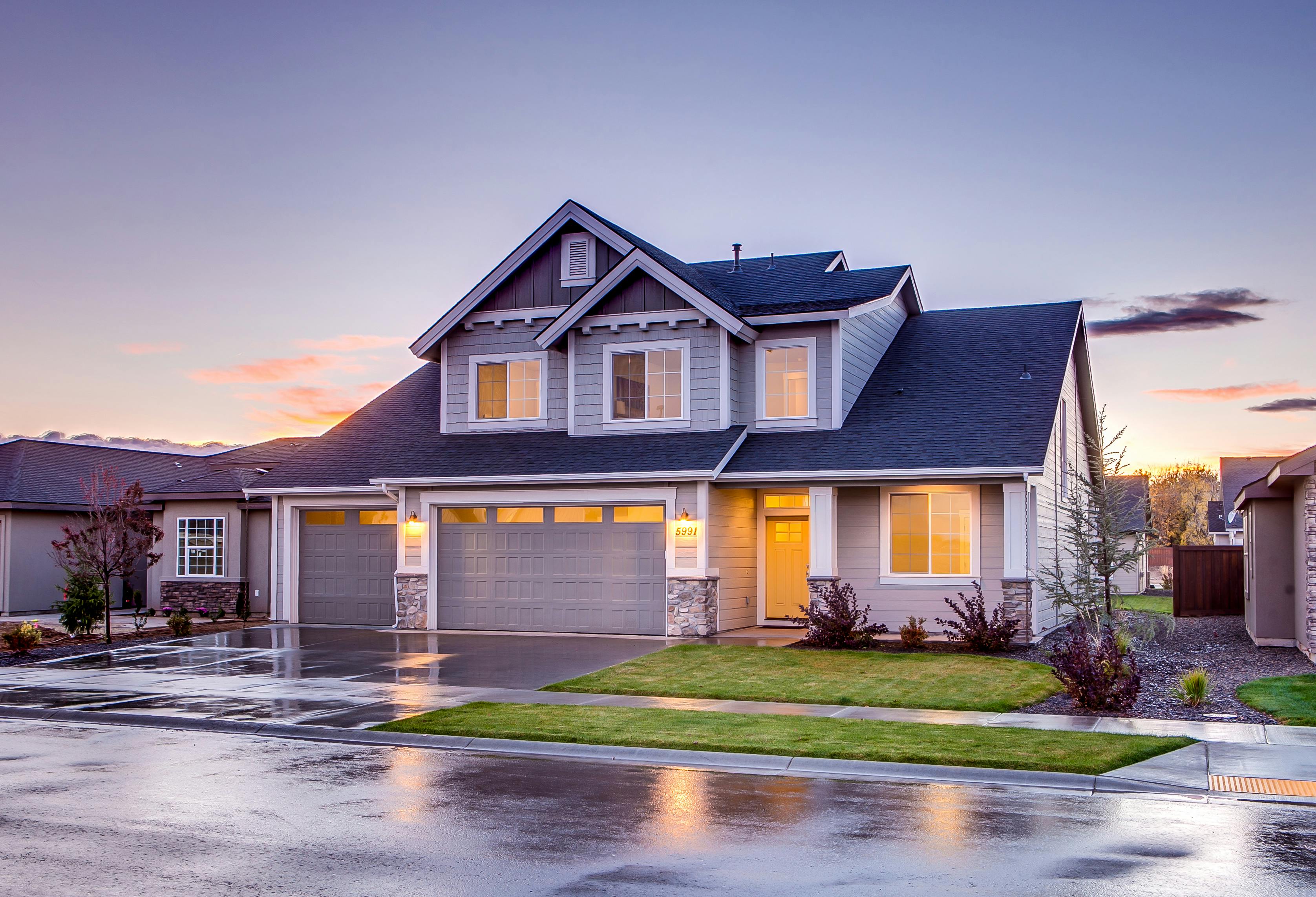
Those black streaks running down your roof are not rain marks, dirt, or signs that your shingles are simply getting old. In most cases, they are caused by a type of algae growing and feeding on the roof. We have even spoken with homeowners who believed the marks were streaks left behind by rain. While they may look like water stains from the ground, they are almost certainly algae, especially when the streaks continue to spread or darken.
Roof algae is most common in areas that stay shaded and damp. You will often notice it on parts of the roof that receive less direct sunlight or are covered by nearby trees. Common conditions that encourage algae growth include:
- Tree branches hanging over the roof
- Heavy shade throughout the day
- Moisture that takes longer to dry
- Areas of the roof facing away from direct sunlight
- Leaves and other organic material collecting on the shingles
When the roof cannot dry quickly after rain, it creates a much better environment for algae to grow.
Are Black Roof Streaks Only a Cosmetic Problem?
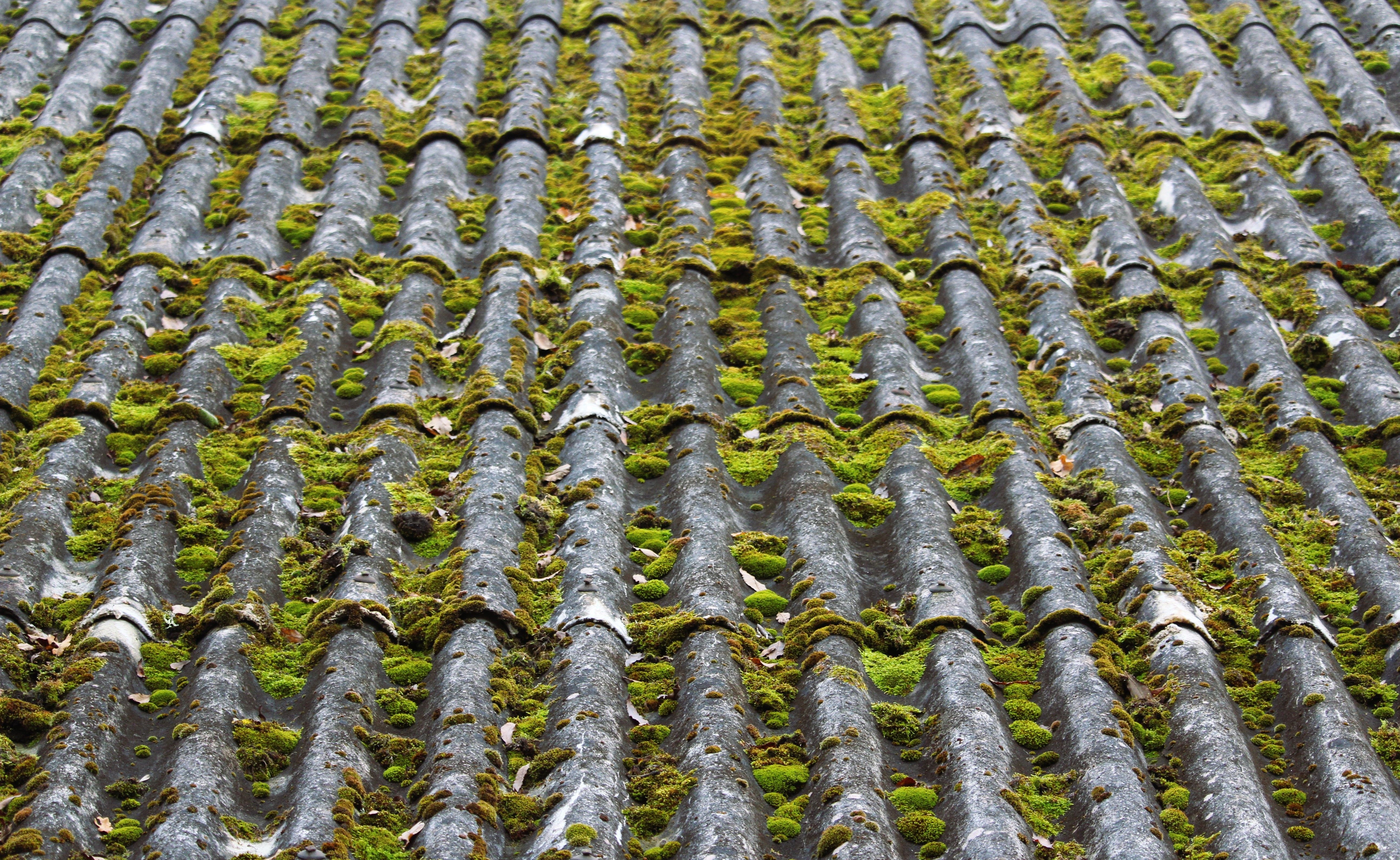
Initially, black streaks are usually more of a cosmetic issue than an immediate threat. However, that does not mean they should be ignored indefinitely. As the algae is allowed to grow and spread, it can begin affecting the shingles. The growth feeds on materials within the roofing system and can contribute to the loss of the protective granules covering asphalt shingles. Those granules help protect your roof from sunlight, weather, and everyday wear. Once they begin coming loose, the shingles may deteriorate faster and become more vulnerable to damage.
Cleaning the roof early is one of the least expensive ways to provide some basic maintenance. It is much more affordable to give a roof a cleaning and tune-up than to replace it earlier than expected because years of buildup were ignored.
Can Black Streaks Increase Your Electric Bill?
One surprising concern associated with heavy roof algae is its possible effect on the temperature inside your home. Dark growth can act like a sponge for sunlight, absorbing additional heat instead of reflecting it. That can contribute to higher temperatures in the attic, especially during the summer. Once the attic becomes hotter, your air-conditioning system may need to run harder and longer to keep the home comfortable. It can create a domino effect:
- The dark growth absorbs more heat.
- The attic temperature rises.
- The air conditioner runs longer.
- Electricity usage may increase.
Black roof streaks are not necessarily the only reason for a high electric bill, but extensive dark growth could be one contributing factor.
Can Roof Algae Affect Your Homeowners Insurance?

In some situations, an insurance company may require a homeowner to correct significant roof growth or other visible maintenance concerns. If the algae is allowed to become severe, the roof can appear neglected or deteriorated during an inspection. Depending on the roof's overall condition and the insurance company's requirements, failing to address it could affect coverage or renewal. This is another reason it is better to act while the streaking is still manageable instead of waiting until the entire roof looks dark and heavily stained.
How Should Black Streaks Be Removed?
Black streaks should be removed using a roof-safe chemical treatment and a soft-washing process. We use a chemical mixture that helps remove the visible growth and sanitize the affected area. The goal is not simply to make the stains disappear. The treatment needs to address the algae itself so it does not immediately begin growing again.
Why Soft Washing Is Better Than Pressure Washing
A roof should never be cleaned with the same high-pressure approach commonly used on concrete. High pressure can loosen or remove the granules from asphalt shingles. It can also damage shingles, force water into areas where it does not belong, and shorten the roof's usable life. Soft washing relies on the cleaning solution to treat the algae instead of trying to blast it off the roof. This provides a safer and more effective result when the process is performed correctly.
Should You Remove Black Roof Streaks Yourself?
A commonly discussed DIY solution is a mixture of approximately 50% bleach and 50% water. However, we strongly recommend being cautious about taking the DIY route. An improperly prepared or applied mixture can create worse consequences than the algae itself. Too much chemical exposure can discolor the roof, dry out the shingles, or contribute to premature deterioration. Bleach runoff can also harm plants, landscaping, siding, and other surfaces if they are not properly protected and continuously rinsed. It should never be mixed with ammonia, acids, or other household cleaning products.
There is also the obvious safety risk of working on a roof. Wet shingles and cleaning solutions create an extremely slippery surface. A professional company should have the equipment and experience necessary to safely reach and treat the roof. Our team carries ladders capable of reaching approximately 40 feet and can access almost any roof pitch when conditions allow. Even with professional equipment, we occasionally encounter roofs that require extra caution or fall outside a comfortable safety range. Homeowners should never risk a serious fall just to remove a stain.
What Does a Professionally Cleaned Roof Look Like?
Homeowners who can already see the streaks are often the most surprised by the finished result. Once the dark algae is treated, the original color of the roof becomes much more noticeable. The shingles look brighter, cleaner, and newer instead of dull and dirty. Over the years, we have cleaned some very rough-looking roofs, including several that required extra care because of their pitch or condition. We have consistently seen how much of a difference proper cleaning can make.
In many cases, homeowners do not realize how dirty the roof has become because the change happened gradually. Once it is cleaned, the improvement in the home's overall curb appeal is immediately noticeable. We commonly include roof cleaning as part of our house-washing packages because the roof can have such a major effect on how clean the entire exterior appears.
How Can You Prevent Black Streaks From Returning?
You may not be able to guarantee that algae will never return, but you can make the roof much less inviting to future growth.
Trim Trees and Overhanging Branches
Shade is one of the biggest reasons algae grows on a roof. If branches are hanging over the home, trimming them back allows more sunlight and airflow to reach the shingles. The additional sunlight helps the roof dry faster after rain, making it harder for algae to become established. Trimming branches can also reduce the amount of leaves, twigs, and other organic material collecting on the roof.
Consider Zinc or Copper Strips
Zinc or copper strips can be installed near the roof's peak to help deter algae growth. When rainwater passes over the metal, small amounts are carried down the roof and make the surface less favorable for algae. These strips can be a useful preventative option, particularly for homes surrounded by mature trees or roofs that naturally receive limited sunlight.
Inspect the Roof Once a Year
Some roof professionals recommend inspections twice a year, often during the summer and fall. In our opinion, a yearly inspection is a practical approach for many homeowners and can save both time and money. One annual inspection gives you a good understanding of the roof's condition, helps identify new growth, and allows you to act before the algae becomes severe. You should also check the roof after a major storm or anytime you notice missing shingles, unusual discoloration, leaks, or rapidly spreading streaks.
Do Not Ignore Black Streaks on Your Roof
Black roof streaks do not mean you need an immediate roof replacement. In many cases, they simply mean algae has found a shaded, moisture-prone place to grow. The important thing is not to let it continue festering for years. Early treatment can restore the roof's appearance, protect the shingles, improve curb appeal, and potentially help you avoid more expensive problems later. If you notice black streaks, schedule a professional inspection and ask about a soft-wash roof treatment. A little maintenance now is almost always less expensive than replacing a roof before its time.